STATEWIDE – Today, Climate Power convened Pennsylvania policy experts and Senator Lindsey M. Williams (D-Allegheny) for a virtual press call to respond to President Trump’s State of the Union address and provide a reality check on the affordability crisis facing families across the Commonwealth. Speakers detailed how rising energy bills, increasing grocery costs, and higher health care premiums are squeezing household budgets, while federal rollbacks and policy choices further stack the deck against working families.
Felicity Williams, Executive Director of Penn Policy Center, said the affordability crisis is being felt most acutely as wages fail to keep up with everyday expenses. “When we talk about affordability, we’re really talking about a widening gap between the cost of living and the wages families earn,” she said. Williams added, “Pennsylvania families are doing everything right, but Washington is making it harder to get by — we need policies that lower costs, not giveaways that raise them.”
Katie Blume, Political & Legislative Director at Conservation Voters of Pennsylvania, pointed to rising utility bills and warned that federal clean energy rollbacks are pushing costs higher for households across the Commonwealth. “This is a Trump-inflicted energy crisis — policy choices that have taken cheaper energy off the grid, destroyed jobs, and left Pennsylvania’s families holding the bag.” Blume added, “When leaders attack clean energy and consumer protections, Pennsylvanians pay the price every month — and the costs show up first in utility bills.”
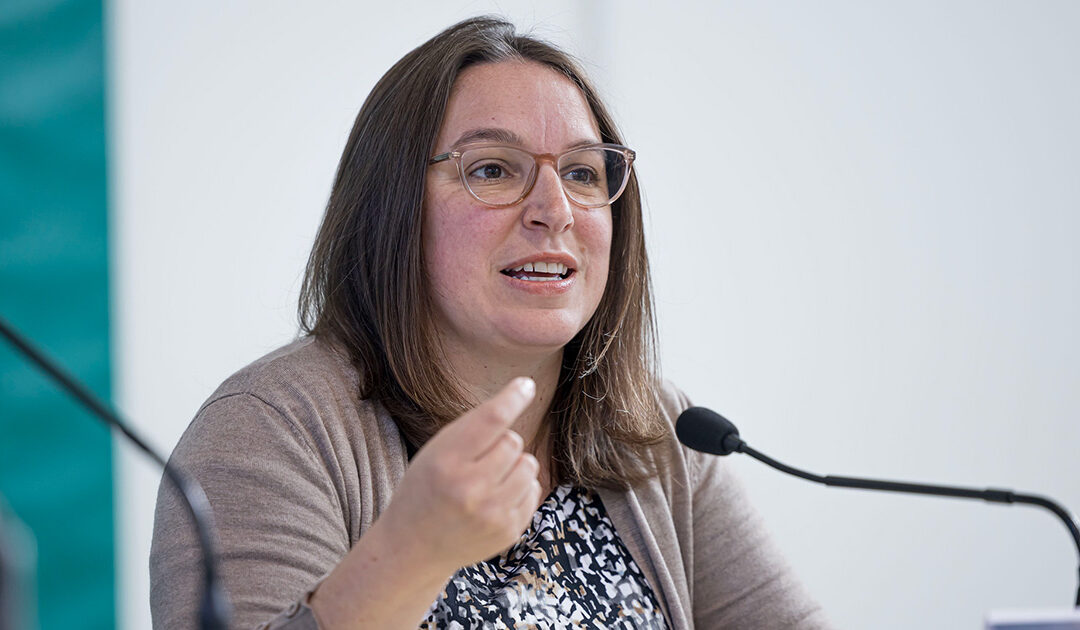
Senator Lindsey M. Williams (D-Allegheny) said constituents are already reporting real impacts on their monthly bills and cautioned that families are being forced to shoulder the costs borne by major corporate power users. Williams discussed legislation she is introducing to protect Pennsylvanians from rising energy costs by ensuring the largest power users, including Big Tech data centers, pay their fair share for the energy and infrastructure demands they create, rather than shifting those costs onto working families — and by creating a formal structure for community benefits agreements in communities impacted by data centers. “Your electric bill has gone up because of data centers. Families shouldn’t be subsidizing big tech’s power bills, but they already are,” she said. “My legislation is about fairness. If you create the cost, you should pay for it. We need to make sure the biggest power users contribute fairly instead of pushing the costs onto working families who are already paying too much.”
A recording of today’s press call is available here.
Speakers noted that many Pennsylvania households are facing higher grocery and health care costs, while energy costs continue to rise and household budgets are strained. They also discussed how policies that undermine clean energy investments and consumer protections can push more costs onto families and states already under pressure.
- Utility bills have spiked by 15% in Pennsylvania in just over a year since Trump took office, as PJM’s capacity auction prices increased more than 800% over the past year.
- Polling commissioned by Climate Power and League of Conservation Voters finds 84% of voters are concerned about the cost of electricity, and nearly 8 in 10 voters report their electricity and heating bills have gone up in the past year: Polling memo
- Additional polling on AI data centers shows voters support data centers powered by clean energy by a +25-point margin, and strongly oppose those powered by coal and gas: AI data centers polling
For more details on federal EPA rollbacks affecting Pennsylvania communities, see Climate Power’s Pennsylvania EPA Impacts Fact Sheet: PA EPA Impacts fact sheet (PDF)