
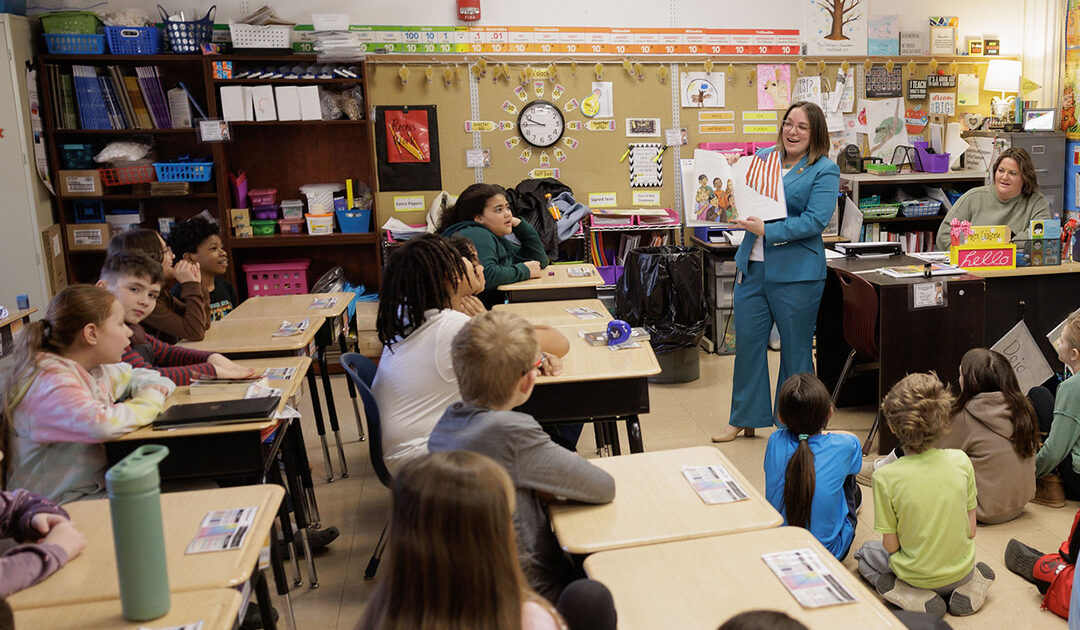
Pittsburgh, Pa. − October 1, 2026 − Senator Lindsey M. Williams (D-Allegheny), Minority Chair of the Senate Education Committee, announced that she has introduced Senate Bill 793, the “Human Students Need Human Educators” bill. This legislation would prohibit schools from replacing educators with artificial intelligence.
“We are seeing an increased push by tech companies to digitize and monetize every aspect of our lives, and that includes our students’ education,” said Senator Williams. “But Education is a fundamental right, not a business venture. Technology and generative AI cannot replace the educators and staff who inspire our students, create a sense of belonging, recognize and respond to the unique needs of students, and bring daily lessons to life. Learning depends on real human relationships—and those cannot be replaced by machines or algorithms.”
In 2025, Unbound Academic institute applied to operate an AI-based cyber charter school in Pennsylvania that replaced educators with “guides” and relied exclusively on artificial intelligence for the only two hours of daily instruction students received. This application was ultimately denied here in Pennsylvania but Unbound operates these schools in other states.
“When most of us reflect on our school experience, we remember the people who impacted our lives, like teachers, friends, and trusted staff members,” said Senator Williams. “AI and technology cannot replace these relationships or the learning experiences that they support.”
This legislation was the focus of a recent opinion piece by Duquesne University School of Education Dean Gretchen Givens Generett. Dean Generett emphasized the need for human educators, saying “AI cannot understand a child’s circumstances or exercise moral judgment. It cannot genuinely recognize grief, anxiety, bullying, neglect, joy or the many other experiences that shape a child’s ability to learn. It cannot take responsibility when something goes wrong. Human educators can. They recognize emotions, identify problems, correct errors, contextualize information and respond to students as human beings. This distinction matters because education is about more than completing tasks or accessing information.” You can read her full piece here.
###